
20+
Years Of Experience
Property Lines Built to Last Outdoors
Decorative Fencing in Abilene for boundaries, entryways, and curb appeal that withstand weather
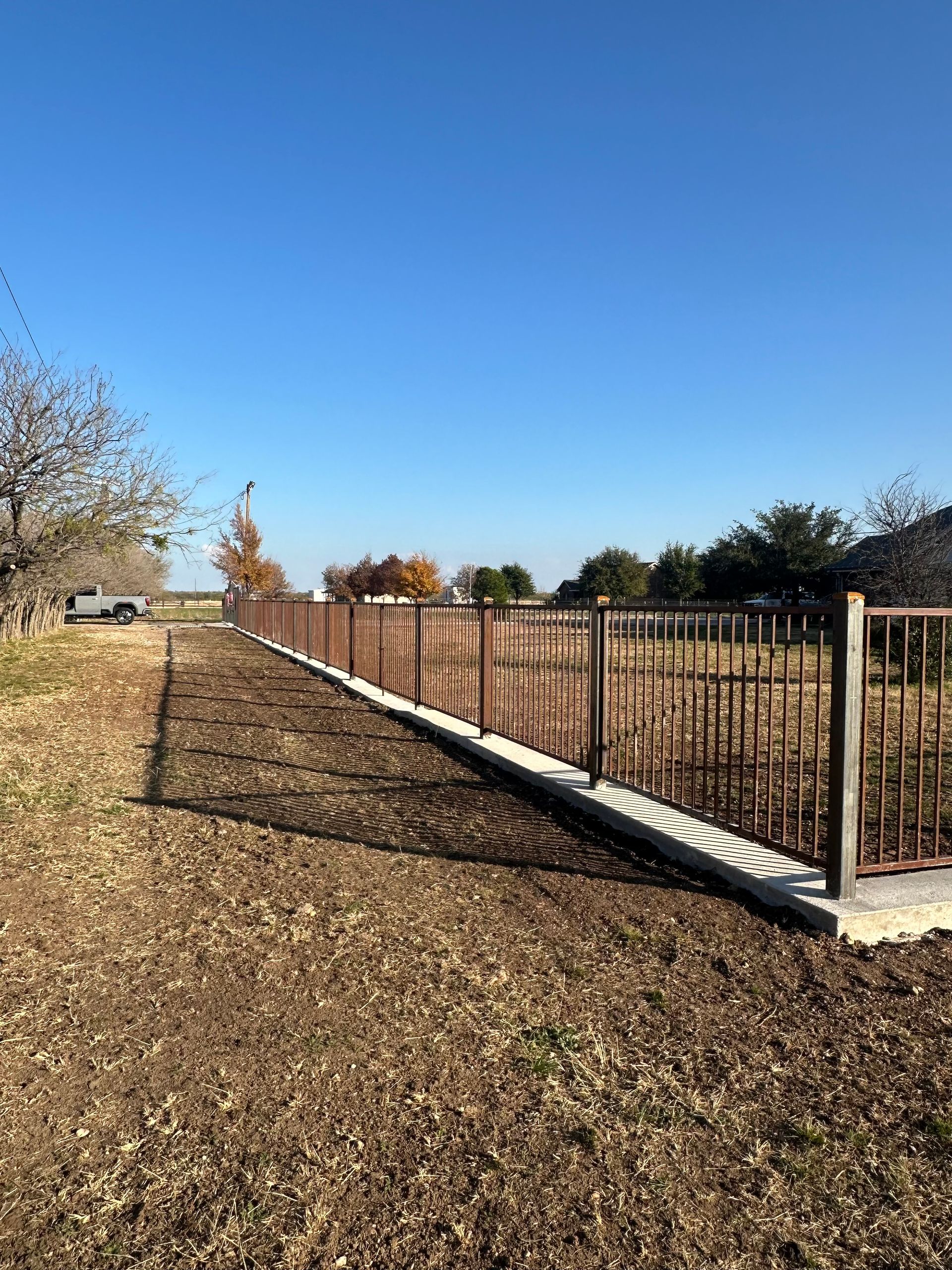
Fencing around homes and ranch properties in Abilene must handle sun exposure, wind, and soil movement without warping or leaning. Decorative fencing from Elam Construction combines boundary definition with visual appeal, using materials and post-setting methods that stay stable in the clay soils and temperature swings common to the area. The design can match your home's architectural style or create a distinct entryway feature while still serving the practical purpose of marking property lines and controlling access.
The process begins with post placement—concrete footings anchor each post below the frost line and prevent shifting as the ground expands and contracts with moisture changes. Rails and pickets are then attached to the posts in a pattern that balances open visibility with privacy and security, depending on whether the fence borders a street, neighbors a pasture, or encloses a yard.
Schedule a design consultation to review material options and layout for your property's specific boundaries and appearance goals.
What Changes After Fencing Is Installed
Properly installed decorative fencing creates a clear visual boundary that defines your property without requiring frequent adjustments or repairs. The materials—whether wood, metal, or composite—are selected based on how much maintenance you're willing to perform and how the fence will be used, since wood offers a traditional ranch appearance but requires staining every few years, while metal resists rot and insect damage with only occasional cleaning.
Once the fence is complete, you'll notice that the posts remain vertical even after heavy rain or wind, and the rails stay aligned without sagging or twisting. Gates swing smoothly on hinges sized for the panel weight, and latches engage without forcing or adjustment. The finished fence line follows your property boundary accurately, which matters for legal clarity and prevents disputes with neighbors over encroachment or access.
Fencing installation includes considerations like gate placement for vehicle or pedestrian access, corner bracing to resist lateral stress, and rail height that matches your intended use—whether keeping pets contained, marking a decorative boundary, or providing partial privacy from road traffic. Elam Construction adjusts the design to account for ground slope, existing trees or structures, and utility easements that restrict where posts can be placed.
Common Questions About Fencing Projects
Homeowners and landowners typically ask these questions when planning fencing that serves both functional and aesthetic purposes.
What materials hold up best in Abilene's climate?
Metal fencing resists the sun's UV exposure and temperature extremes without fading or warping, while treated wood performs well if sealed or stained regularly to prevent moisture absorption and cracking, and composite materials offer low maintenance but cost more upfront than traditional options.
How deep do fence posts need to be set?
Posts should extend at least two feet below grade in stable soil, and deeper in areas with loose or sandy conditions, with concrete footings poured around each post to prevent movement as the ground shifts with moisture changes throughout the year.
Can decorative fencing also provide security?
Design choices like picket spacing, fence height, and gate latch type all affect how much the fence restricts access—closer picket spacing and taller panels limit entry more effectively, while open rail designs primarily mark boundaries and add visual appeal without creating a physical barrier.
How is fencing planned around slopes or uneven ground?
Fencing can either step down in level sections to follow steep grade changes, or it can rack at an angle to follow gentle slopes smoothly, and the choice depends on how much elevation change exists and whether you prefer a uniform top line or panels that mirror the ground contour.
What spacing between posts prevents sagging over time?
Post spacing typically ranges from six to eight feet, with closer spacing used for heavier materials or longer rail spans, and proper spacing ensures that rails don't bow under their own weight or when pressure is applied to the fence line.
Elam Construction builds decorative fencing that matches your property's style and withstands the conditions around Abilene and Clyde. Request an estimate based on your boundary measurements and material preferences.